
Essential Tips for Sightseeing in Peru: What You Need to Know Before You Go

Updated: Feb 12
Traveling to Peru offers a chance to explore some of the most remarkable sights in South America. From the ancient ruins of Machu Picchu to the vibrant streets of Lima and the historic charm of Cusco, Peru has something for every traveler and hiker. Before you pack your bags, there are a few key things to know that will help you make the most of your trip and enjoy the best sights without unnecessary stress.
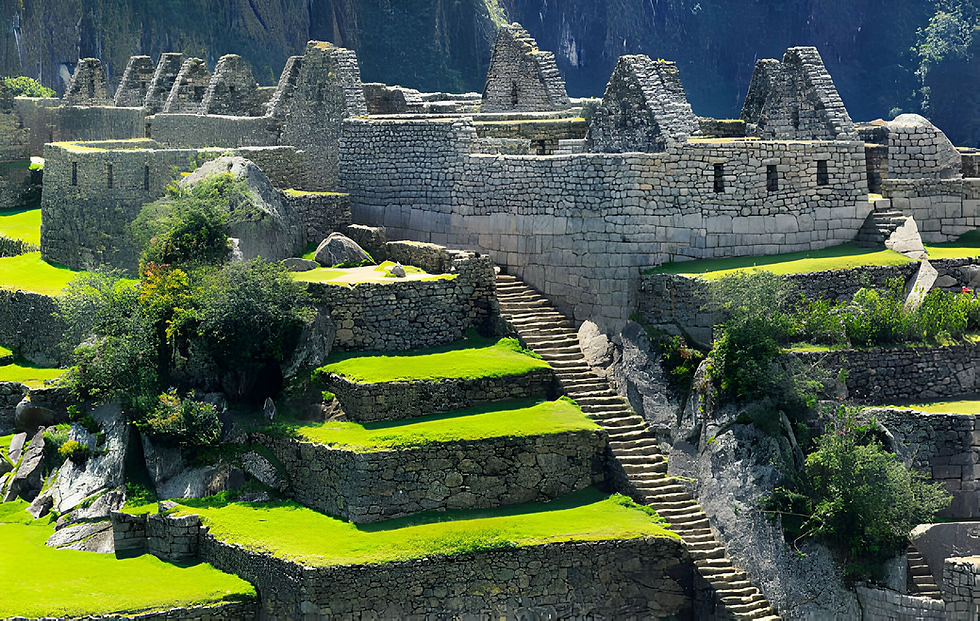
Understand the Geography and Altitude Challenges
Peru’s geography varies widely, and many of the best sights are located at high altitudes. Machu Picchu sits at about 2,430 meters (7,970 feet) above sea level, while Cusco is even higher at around 3,400 meters (11,200 feet). Lima, the capital, is at sea level, offering a very different climate and experience.
Altitude sickness is a common issue for travelers who arrive suddenly at high elevations. Symptoms include headaches, nausea, dizziness, and fatigue. To avoid this:
Spend a couple of days in Lima or a lower-altitude city before heading to Cusco or Machu Picchu.
Stay hydrated and avoid alcohol during your first days at high altitude.
Eat light meals and rest as much as possible.
Consider medication like acetazolamide if you are prone to altitude sickness, but consult a doctor before your trip.
Knowing how to manage altitude will help you enjoy hiking and sightseeing without discomfort. Many travelers find that taking it slow and allowing their bodies to adjust makes a big difference.
Plan Your Visits to the Best Sights in Advance
Peru’s top attractions, especially Machu Picchu, require careful planning. The number of daily visitors to Machu Picchu is limited to protect the site, so tickets often sell out months ahead. Here are some tips:
Book Machu Picchu entrance tickets early, ideally 3 to 6 months before your trip.
Decide if you want to hike the Inca Trail or take the train from Cusco or Ollantaytambo. The Inca Trail requires a permit and booking well in advance.
Reserve accommodations in Cusco and Lima early, especially during peak tourist seasons (May to September).
Consider guided tours for Machu Picchu and Cusco to get historical context and avoid missing key highlights.
Besides Machu Picchu, explore other best sights like the Sacred Valley, Rainbow Mountain, and the colonial architecture in Lima. Each offers unique experiences and can be combined into a well-rounded itinerary.
Prepare for Weather and Local Conditions
Peru’s climate varies by region and season. The dry season from May to September is the best time for hiking and sightseeing, with sunny days and cooler nights. The wet season from November to March brings heavy rains, especially in the Andes, which can cause trail closures and travel delays.
Packing smart is essential:
Bring layers to handle temperature changes, especially in the mountains where it can be warm during the day and cold at night.
Waterproof jackets and sturdy hiking boots are necessary if you plan to hike or visit outdoor sites.
Sunscreen, sunglasses, and a hat protect you from strong sun exposure at high altitudes.
Carry a reusable water bottle and snacks for long day trips.
Local markets in Lima and Cusco offer great opportunities to buy warm clothing and rain gear if you forget something. Also, be prepared for basic facilities in remote areas; some trails and villages have limited access to electricity and internet.

Additional Tips for a Smooth Trip
Currency and Payments: The Peruvian Sol is the local currency. Cash is preferred in many places, especially small markets and rural areas. ATMs are common in Lima and Cusco but carry some cash just in case.
Language: Spanish is the official language. English is spoken in tourist areas, but learning basic Spanish phrases will enhance your experience.
Health and Safety: Drink bottled water and avoid street food that looks unhygienic. Use insect repellent in jungle areas. Keep your belongings secure in crowded places.
Respect Local Culture: Peru has rich indigenous traditions. Be respectful when visiting sacred sites and interacting with local communities.
Travelers who prepare well find Peru rewarding and unforgettable. The combination of natural beauty, ancient history, and vibrant culture makes it a top destination for sightseeing and hiking.
Before you go, remember these key points: adjust to the altitude, book your tickets early, and pack for changing weather. With these essentials covered, you can focus on enjoying the best sights Peru has to offer.
Share this on your social channels!


Comments